
 English
JingShi
JingShi
JingShi
JingShi
JingShi
JingShi
JingShi
JingShi
JingShi
Crimping tools are classified into various types based on power source, structure, and application scenarios, each with unique characteristics to meet different operational needs. The classification criteria focus on practicality and adaptability, helping users select the most suitable tool for specific tasks and working environments.
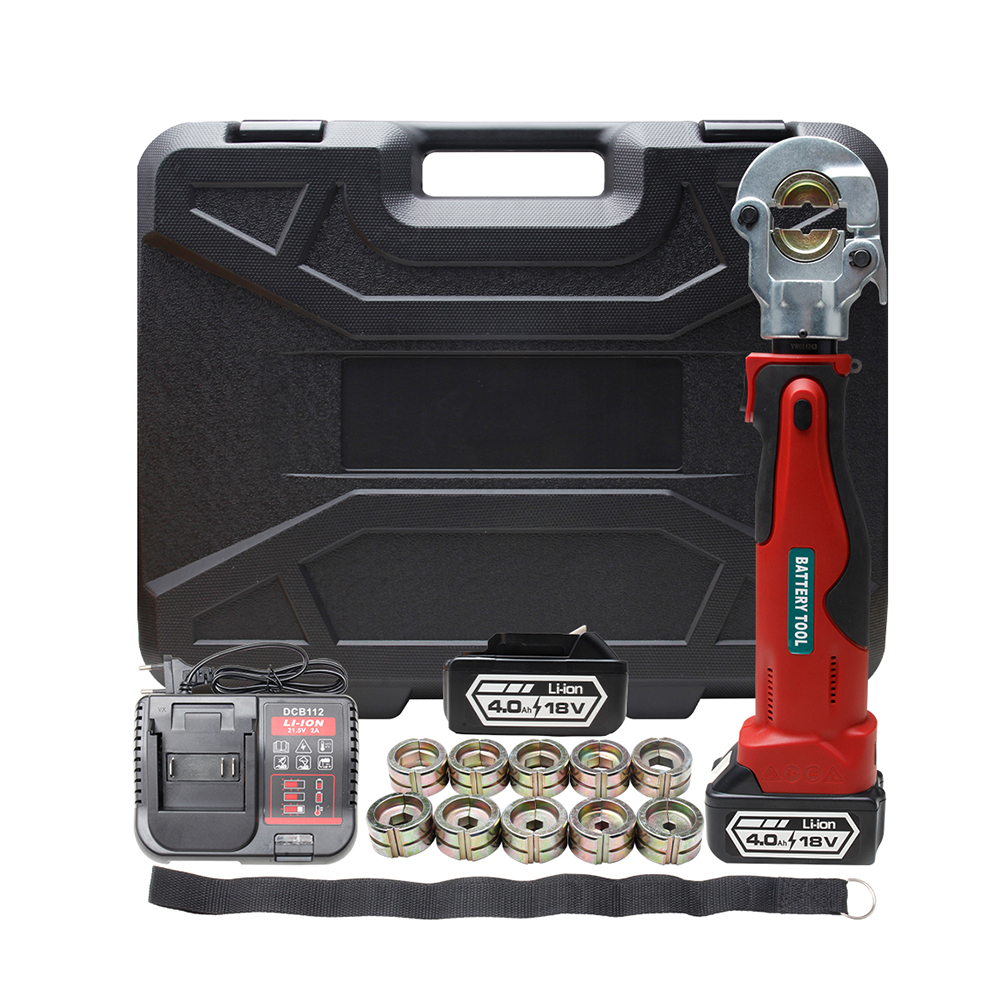
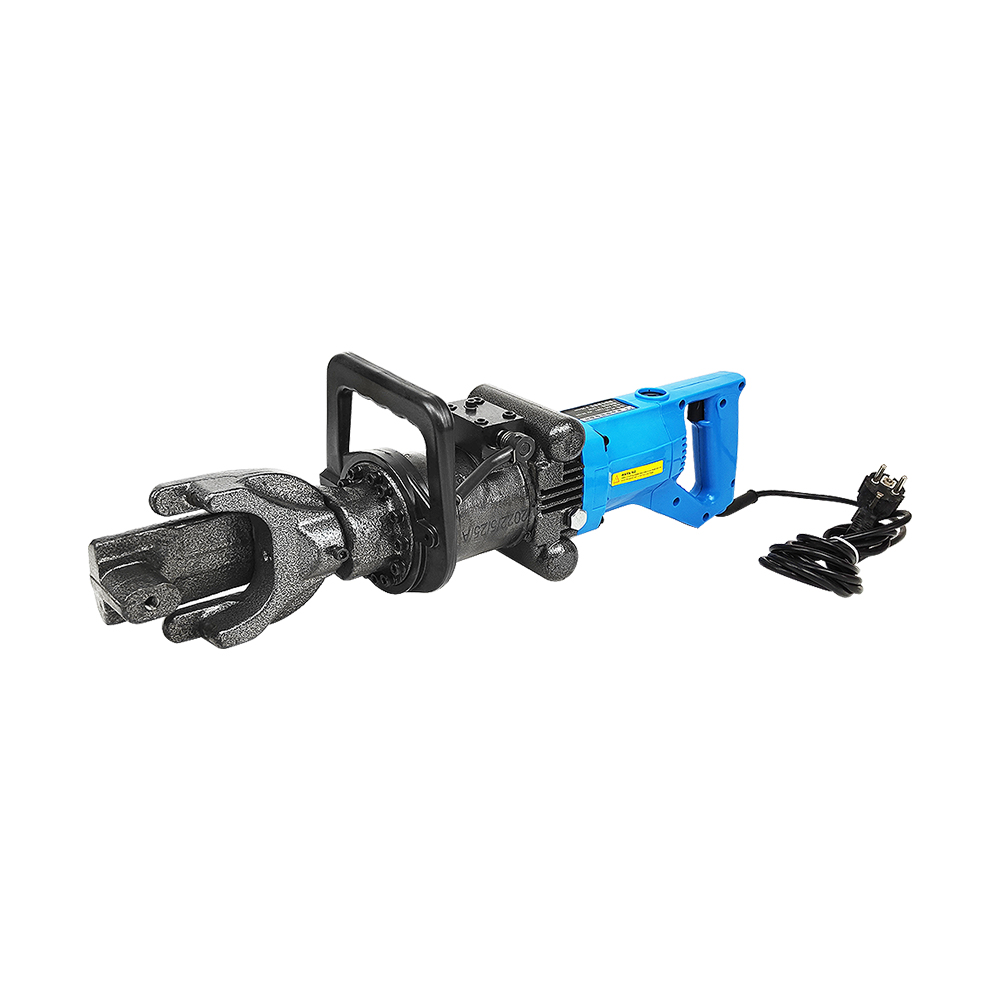
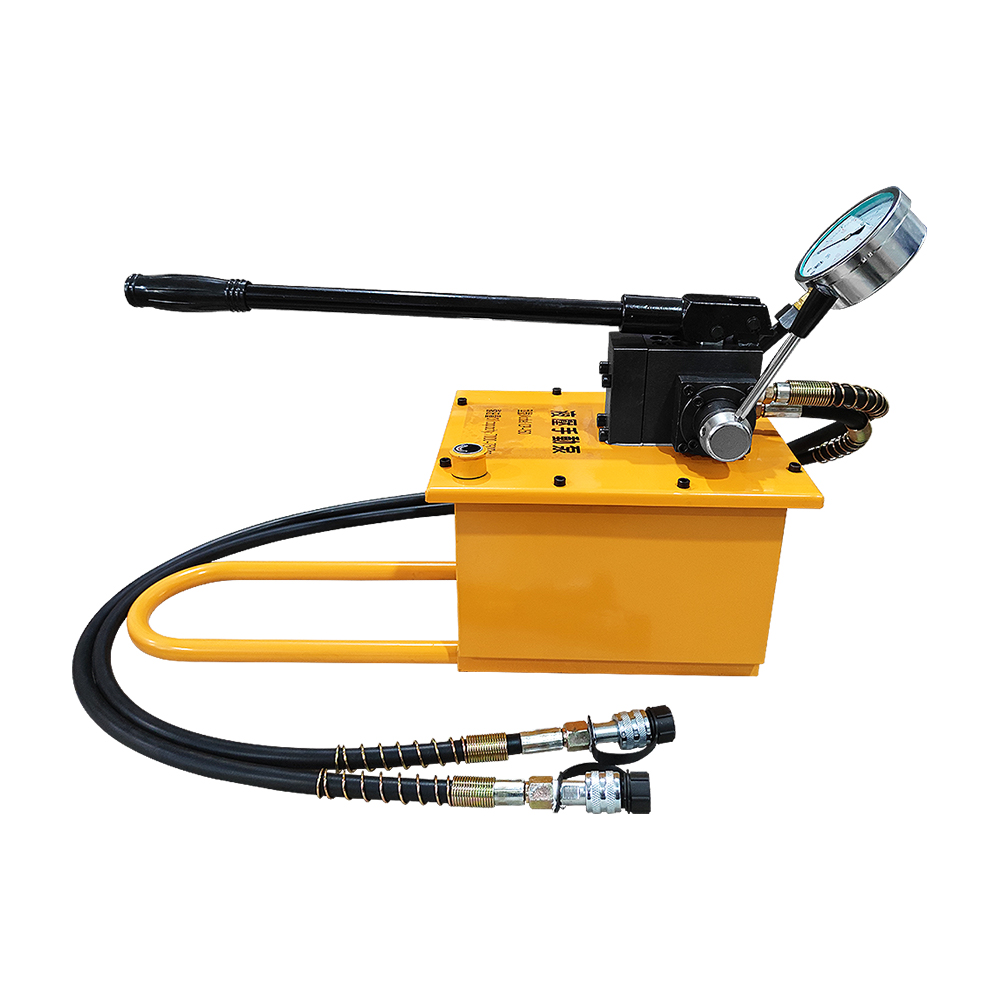
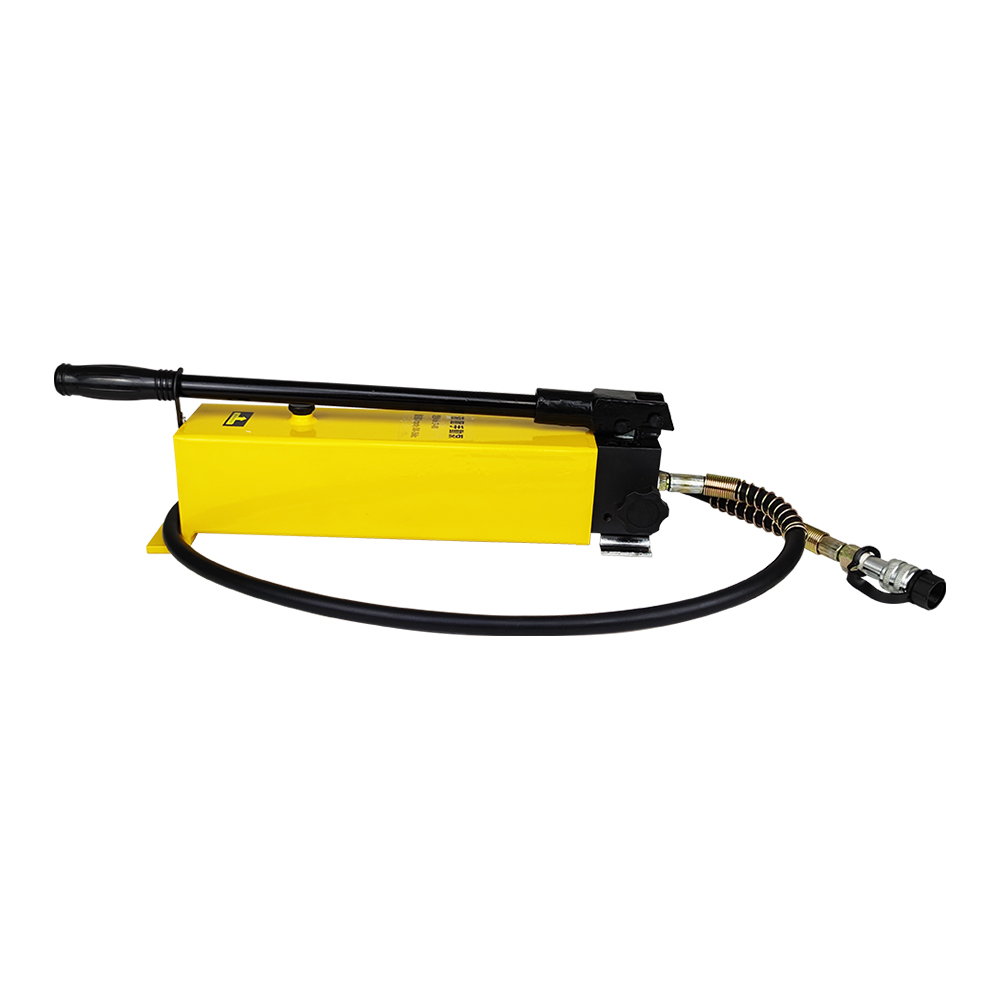
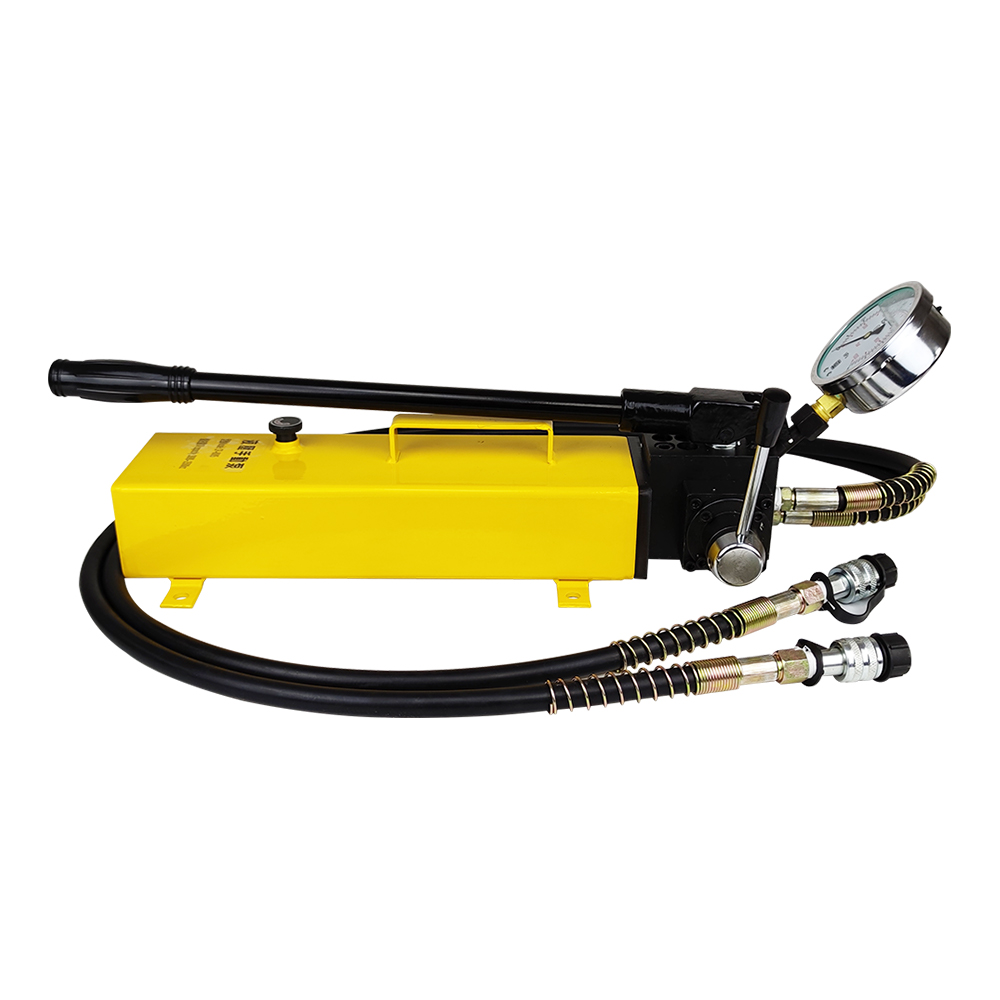
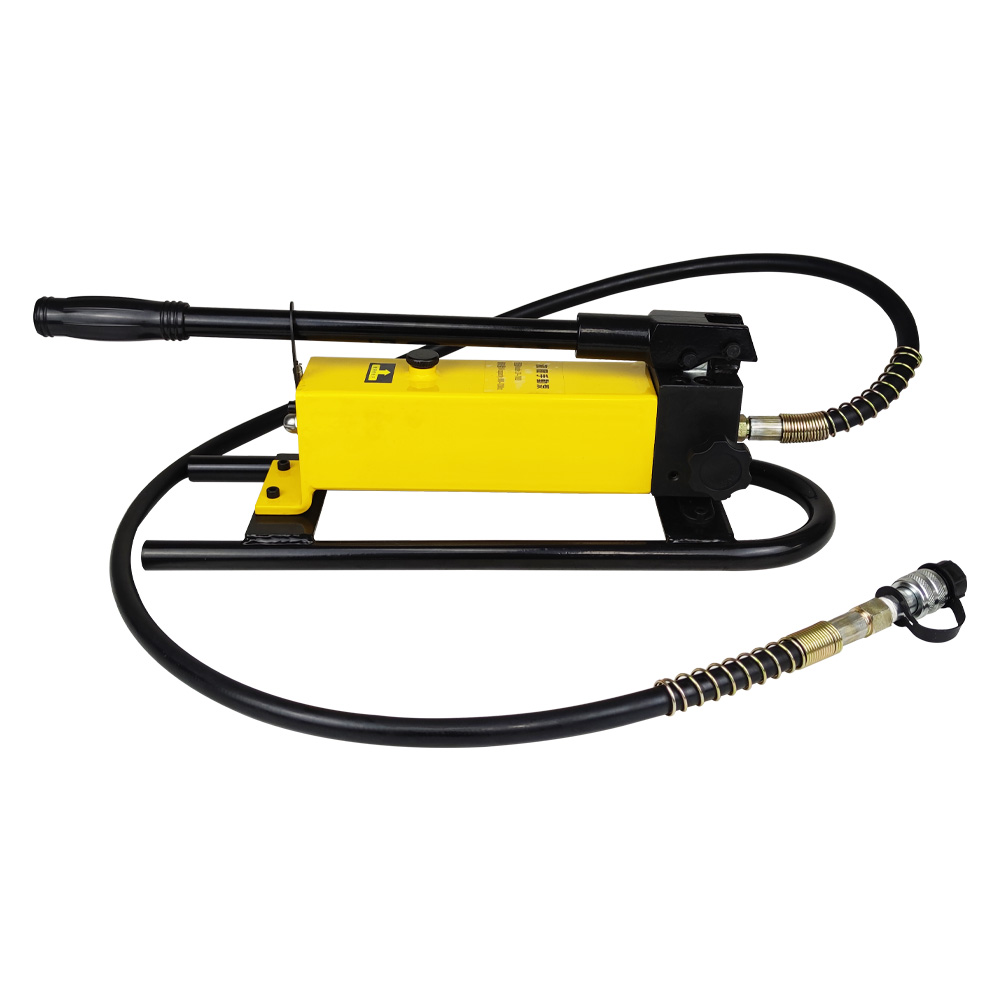
By power source, the most common types include manual crimping tools, hydraulic crimping tools, pneumatic crimping tools, and battery-powered crimping tools. Manual crimping tools, often called crimping pliers, are lightweight and cost-effective, equipped with a ratcheting mechanism to ensure sufficient crimping force, making them ideal for small-scale operations such as household electrical maintenance and small wiring projects. Hydraulic crimping tools, including both manual and battery-powered hydraulic models, deliver higher crimping force, suitable for heavy-duty applications such as high-voltage cable termination and large-section wire crimping in power engineering.
Pneumatic crimping tools rely on compressed air to provide consistent, high-efficiency crimping, widely used in industrial mass production scenarios such as automotive wiring harness assembly and electronic component manufacturing. Battery-powered crimping tools, powered by lithium-ion batteries, combine portability and power, supporting all-day operation with a single charge and are increasingly popular in mobile work scenarios such as aerial wiring and on-site maintenance. Additionally, crimping tools can be divided into handheld models for flexible operation and benchtop machines for high-volume, precision crimping in factory settings. By crimping style, common types include closed-barrel and open-barrel crimpers, each designed for specific connector shapes and wire types.