
 English
JingShi
JingShi
JingShi
JingShi
JingShi
JingShi
JingShi
JingShi
JingShi
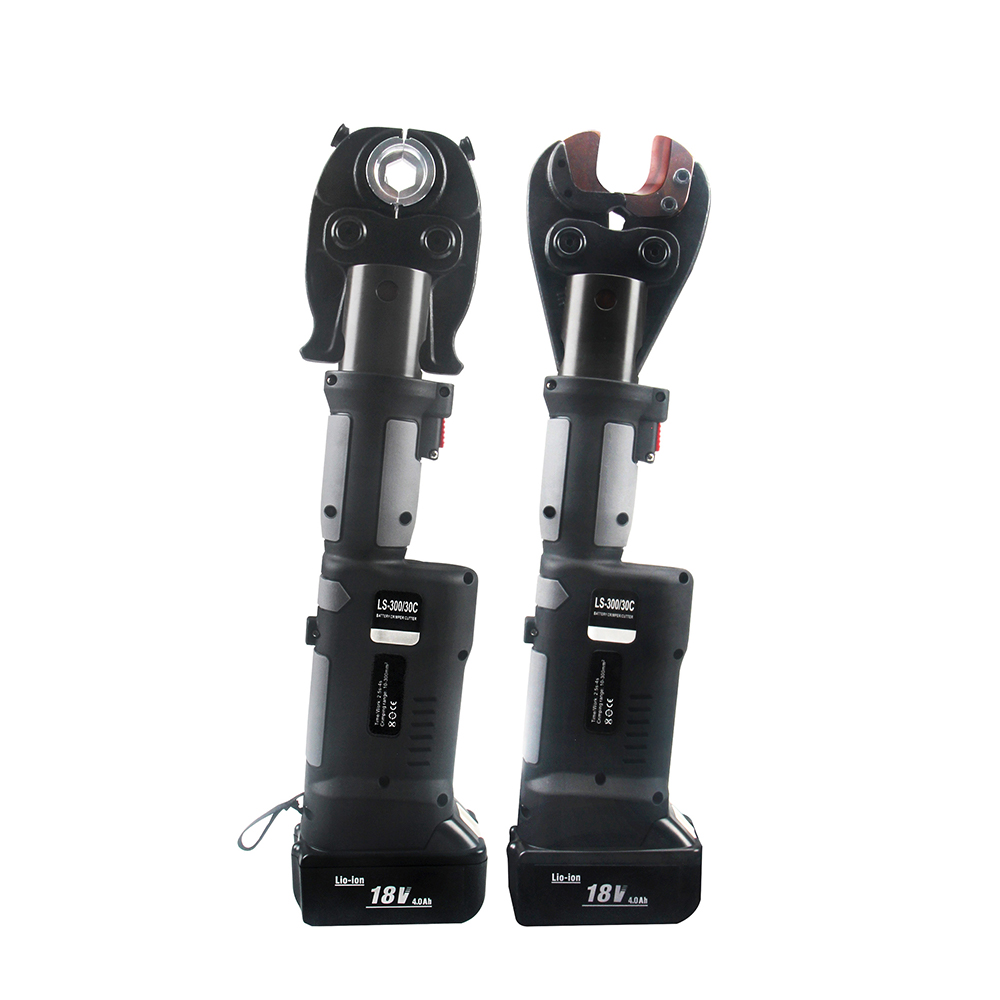
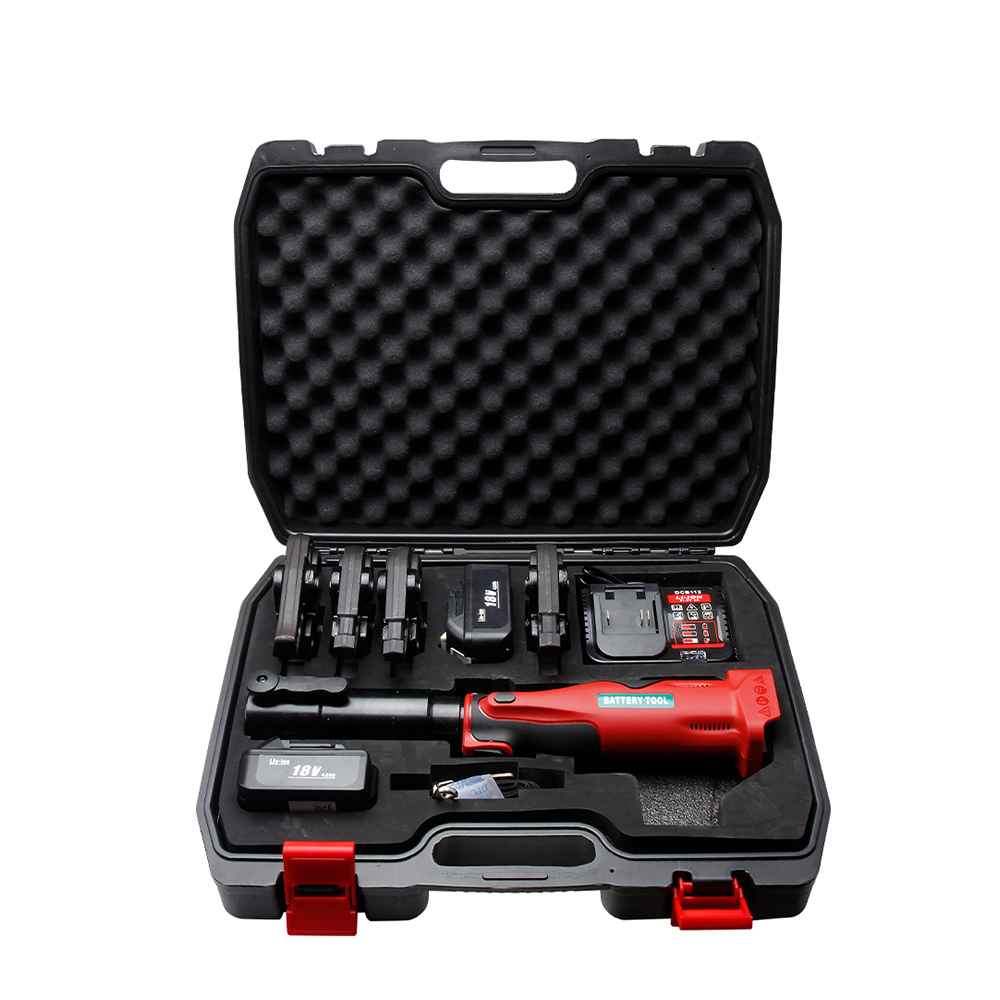
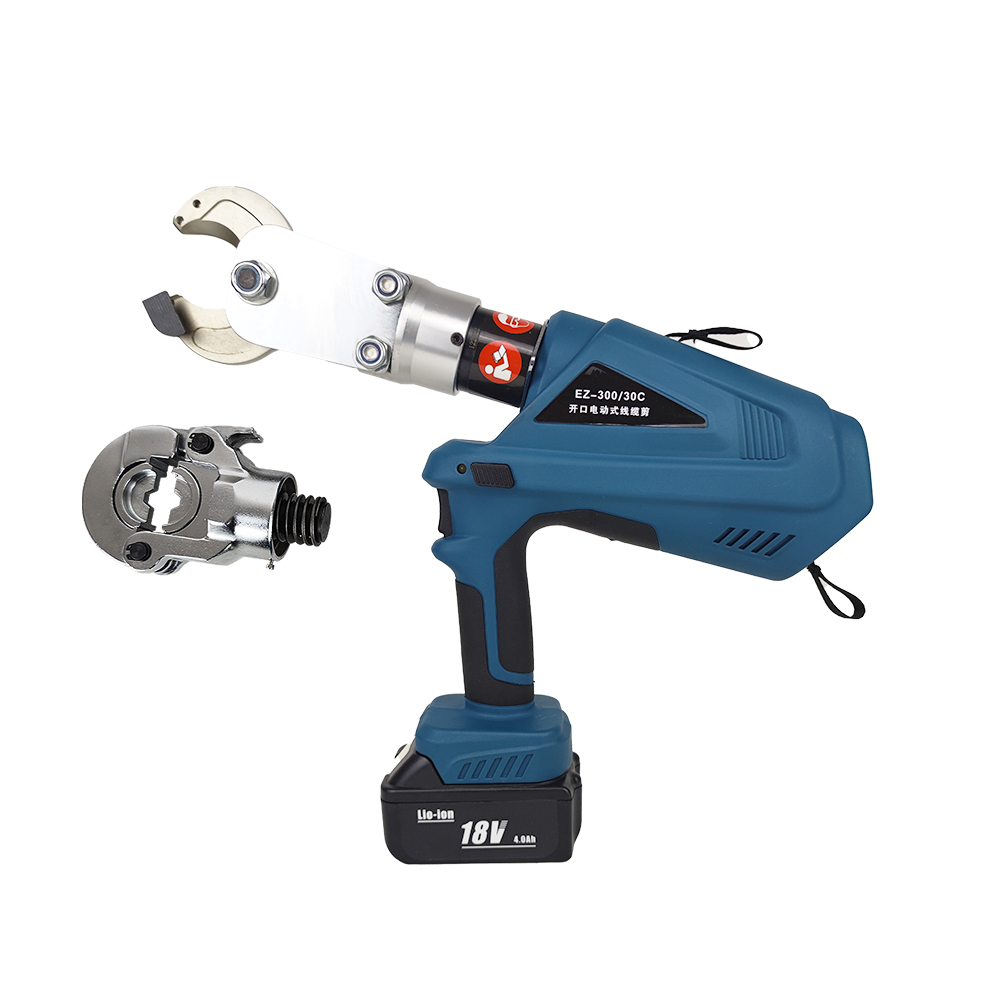
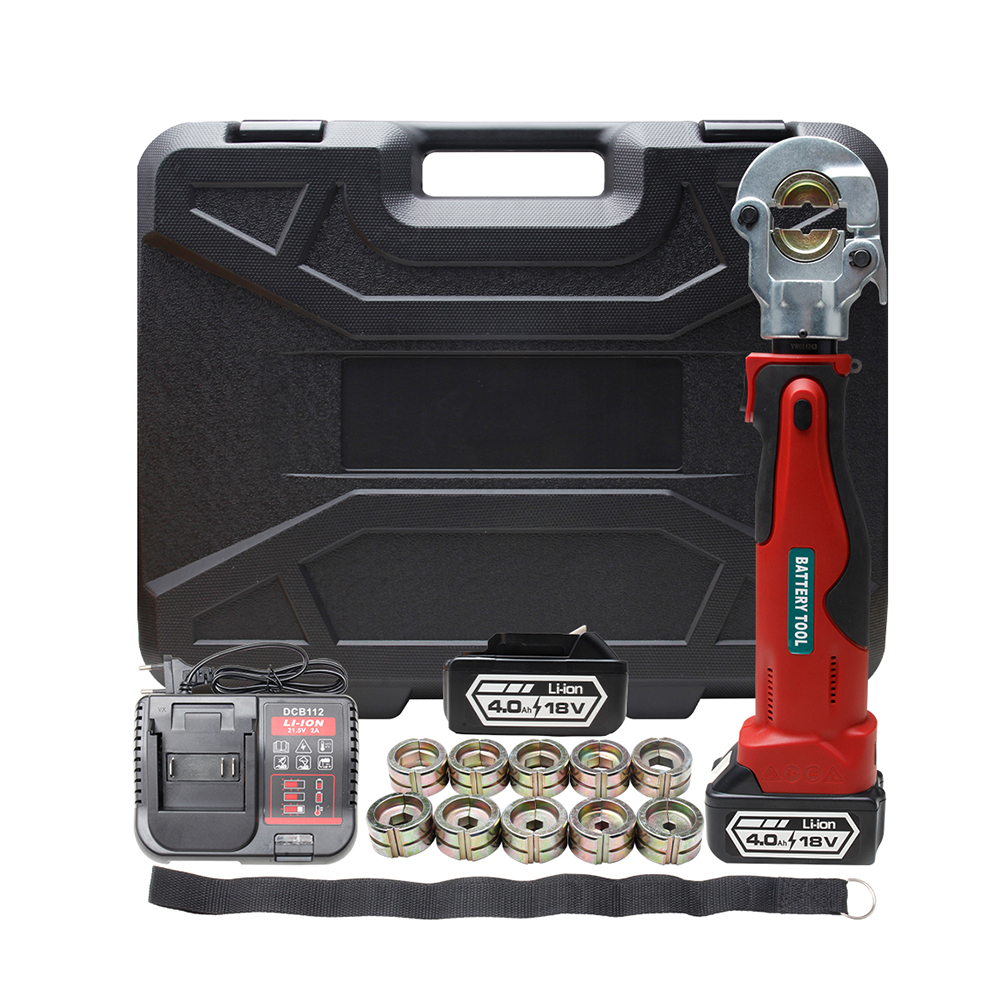
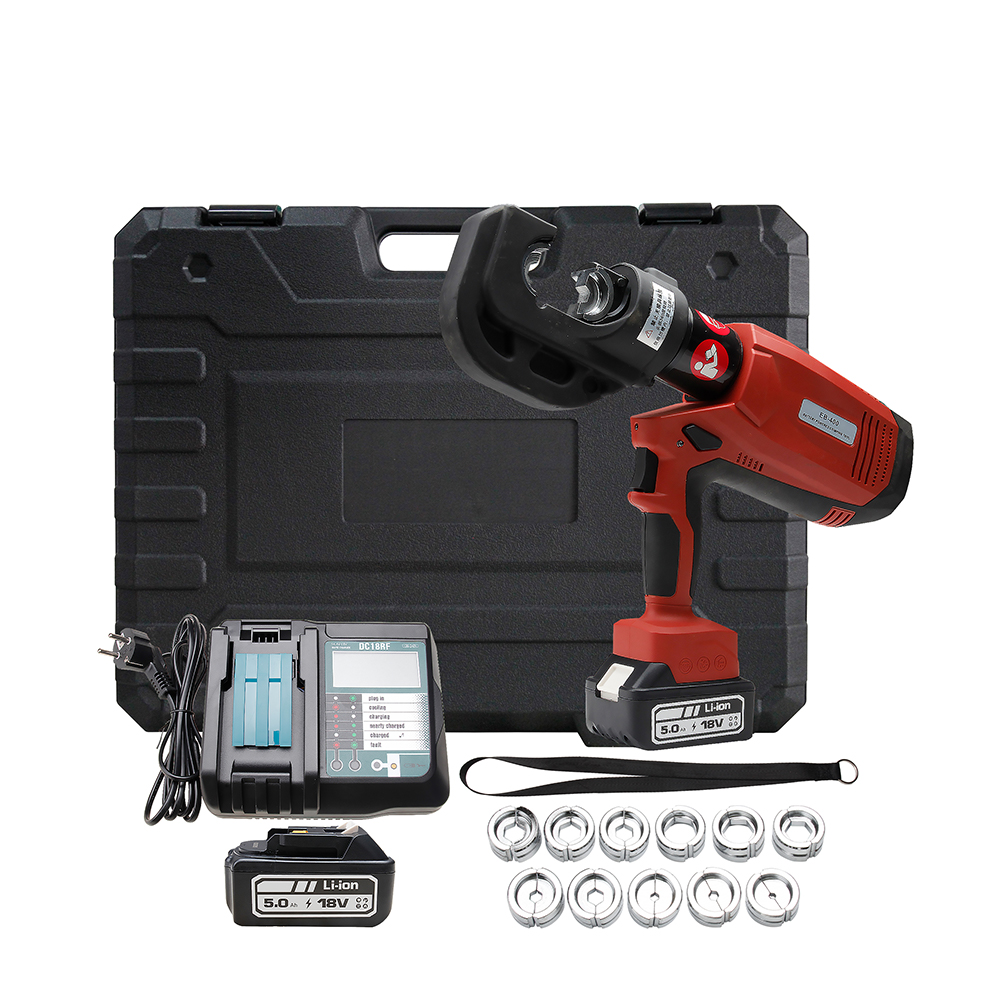
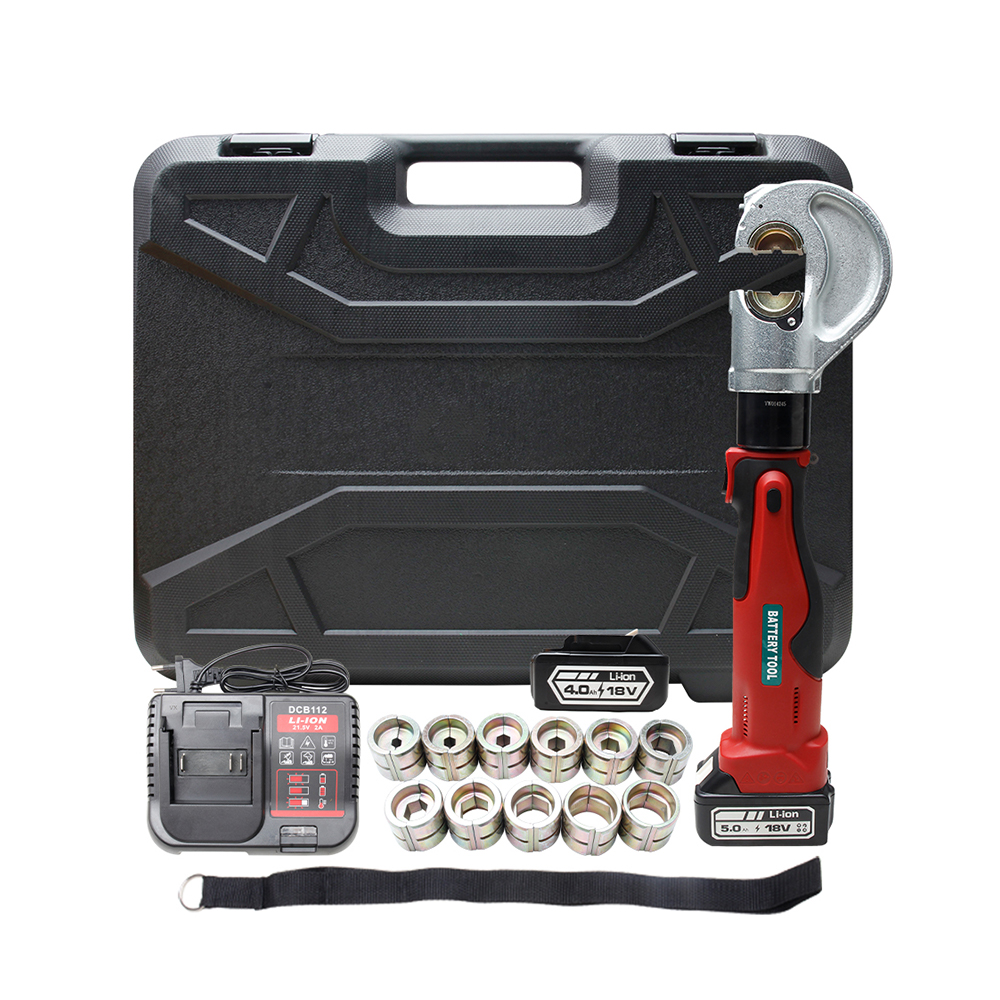
Battery hydraulic cable crimping tools are classified into various types based on crimping range, battery type, and application scenarios, each with unique characteristics to meet different construction needs. The classification criteria are mainly focused on practicality and adaptability, helping users select the most suitable tool for specific tasks.
According to the crimping range, the tools can be divided into small-sized (10-120mm²), medium-sized (16-300mm²), and large-sized (25-630mm²) models. Small-sized tools are lightweight and portable, suitable for crimping small-diameter cables in indoor scenarios such as distribution cabinet wiring and household electrical maintenance. Medium-sized tools are the most widely used, applicable to power distribution projects, communication line construction, and new energy vehicle wiring, supporting both copper and aluminium terminal crimping. Large-sized tools are designed for heavy-duty scenarios, such as high-voltage power grid construction and large-scale industrial equipment wiring, capable of handling large-section cables (above 400mm²) and meeting the high-pressure crimping requirements of large terminals.
In terms of battery type, lithium-ion batteries have become the mainstream choice, replacing traditional lead-acid batteries due to their lightweight, long cycle life, and fast charging performance. Most 2026 models are equipped with 18V or 24V lithium-ion batteries, with a single full charge supporting 900-1200 crimping cycles, which can meet the needs of all-day construction. A small number of industrial-grade models adopt dual-battery designs to avoid work interruptions caused by power depletion. Additionally, based on portability, the tools can be divided into handheld models (weight 2-5kg) for aerial work and mobile operations, and desktop models for fixed-position, high-volume crimping tasks in factories or workshops.